DevFest Bucharest
Evenimentul recunoscut în 140 de țări și 550 de orașe din lume
Revine în București!
• 5 martie 2026 • 9:00 – 17:00 • Novotel City Centre, Calea Victoriei

Tema acestei ediții:
BUILDING SAFE, SECURE & SCALABLE SOLUTIONS WITH AI AND CLOUD
Trei track-uri. Un singur bilet. O zi full de conținut premium.



De ce să participi la cea mai mare conferință din lume creată de programatori?
🔥 Cutting-Edge Content
🤝 Strong Community Connections
💻 Hands-On Learning
Meet the Speakers
Întâlnește experții care inspiră viitorul tehnologiei: Googlers, Google Developer Experts și lideri din industria tech.

Marton Kodok
Google Developer Expert
Senior Software Architect @ REEA
8x Google Developer Expert (GDE), 3x Google Cloud Champion Innovator, Certified Cloud Architect @ REEA.net. Márton is a senior software architect at REEA who led the implementation of complex and distributed systems serving millions of users for companies like LogoMix, WaterSmart, Ausschreibungsdienste and many more. He has extensive experience in building big data solutions for clients using the Google technology stack, and in particular with BigQuery to solve challenging and complex data processing business requirements. Among other things he is active in mentoring, talks at conferences, interested in Android, and open source solutions like ElasticSearch, Beanstalkd, Riak, Redis.
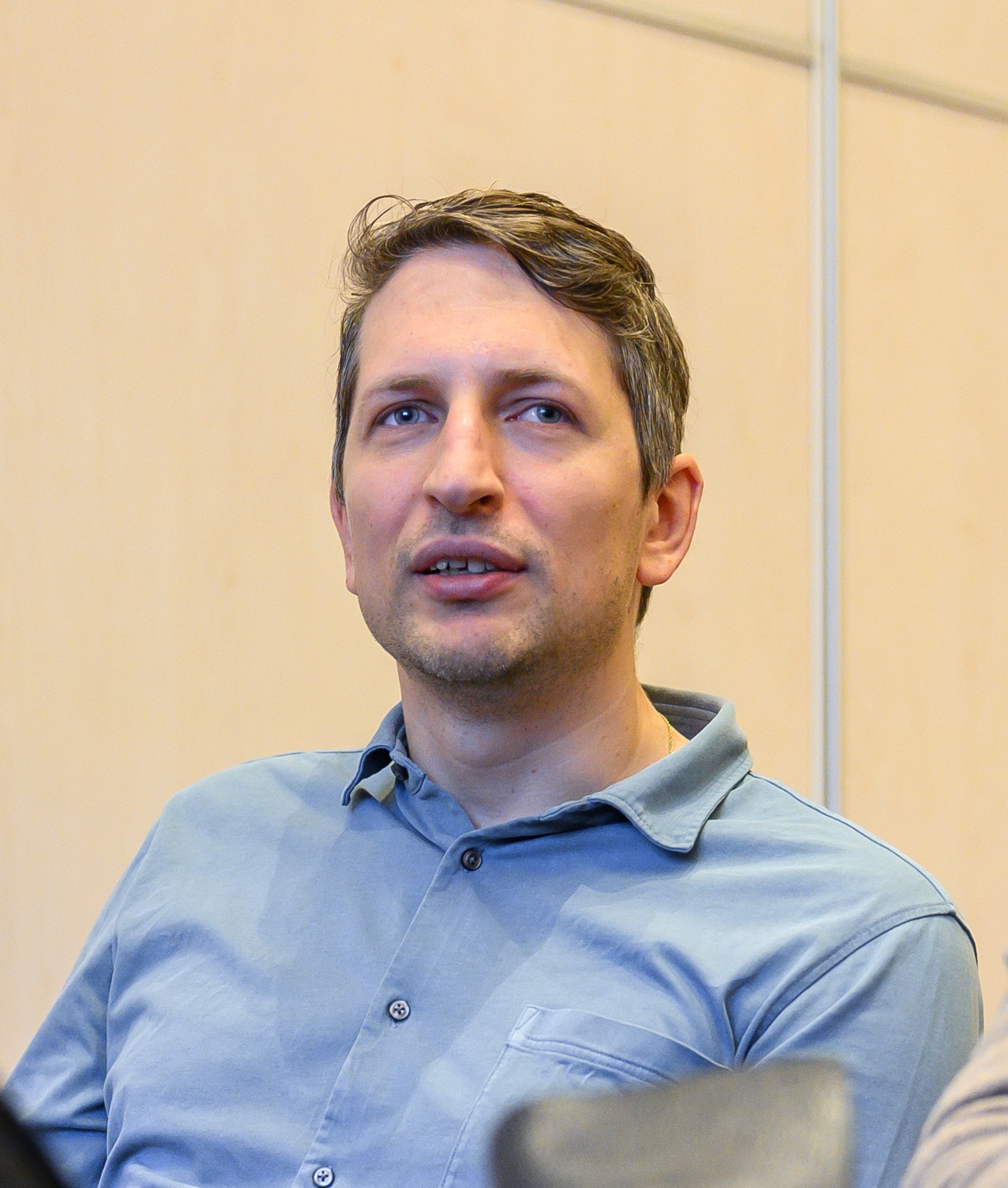
Victor Gradinescu
Engineering Manager @ Google
Victor has been an Engineering Manager at Google since 2019, leading a team of mobile and cloud engineers working on the Fitbit mobile apps. Previously, he led a development studio doing mobile and cloud development for startups or enterprise clients around the world. His technical skills include Android, Cloud Development, Java, Spring and others.
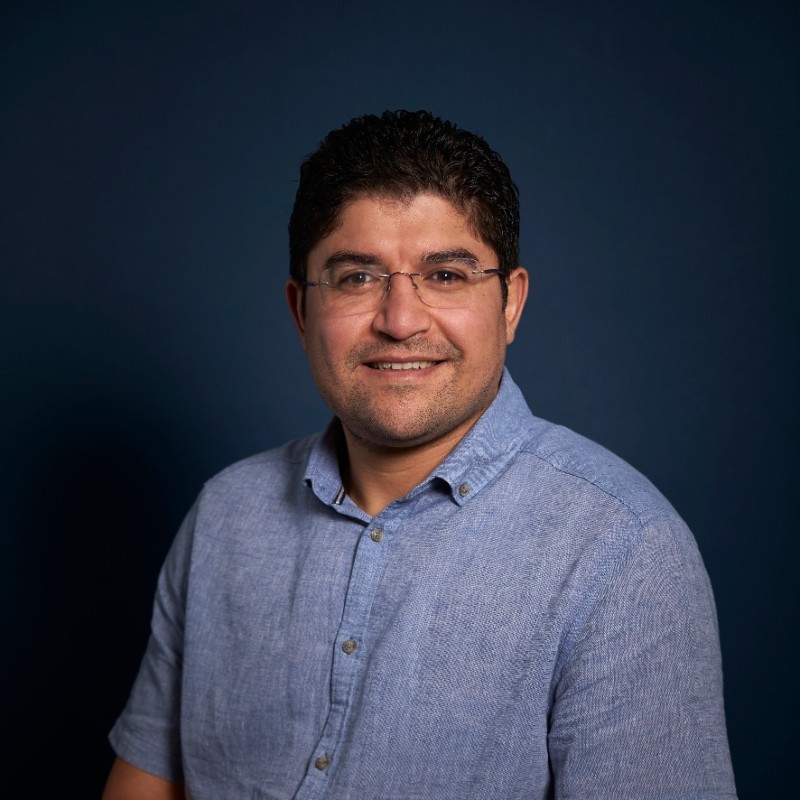
Seifeddine Mansri
Cloud CTO @ SFEIR
Seifeddin is a Cloud CTO at Sfeir, leading the Cloud infrastructure, DevOps and Security activities. He has actually many Cloud technical Certifications (GCP, AWS, Kubernetes) and is also an experienced Google Cloud and Kubernetes Trainer.

Gabriel Preda
Google Developer Expert
Principal Data Scientist @ Endava
After few years of working as a researcher for a high-tech company in Tokyo, Gabriel co-founded two technology start-ups and has worked for few products companies or software services corporations in software development for more than 20 years. Currently, Gabriel is a Principal Data Scientist at Endava, working for a range of industries, from banking and insurance to telecom, logistics and healthcare. He is writing about advanced data analytics, geospatial analysis, natural language processing (NLP), and generative AI. He is a high-profile contributor in the world of competitive machine learning and currently one of the few triple Kaggle Grandmasters (in Datasets, Notebooks and Discussions).

Daniel Barbu
EMEA Security leader @ Adobe
Co-founder of Adobe’s Security AI Guild
Daniel Barbu is a cybersecurity leader focused on securing AI systems at scale. He leads Adobe’s EMEA Center of Security Engineering Excellence and helped launch the Security AI Guild, operationalizing OWASP guidance for LLMs and agents across enterprise use cases. His work spans AI security architecture, agent safety, RAG hygiene, and content authenticity (C2PA/Content Credentials). Daniel has led teams and programs at Adobe, Xperi, Dell SecureWorks, and Electronic Arts, co‑authored a U.S. patent on risk‑based alerting, and contributes to the community as Vice‑President, Cloud Security Alliance Romania. He mentors engineers on “AI for Security” and “Security for AI” enablement so builders can ship with confidence.
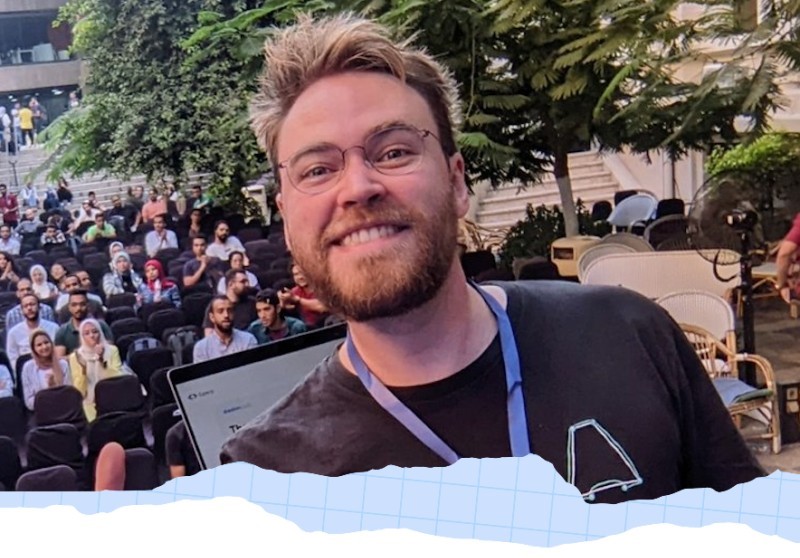
Julien Salvi
Google Developer Expert for Android
Engineering Leader @ Aircall
Into the Android world for 10 years, has started doing professional Android development in California back in 2013 before coming back to France. From then, he has worked at some startups in Paris where he was able to build great apps about videos, movies or virtual reality and he is now dealing with VoIP telephony and real-time challenges. Involved in the tech community, he is part of the Paris Android User Group and he is actively speaking at conferences all around the world to share what he's learnt from my different experiences. Learn, Share, Repeat.

Dumitra Dragos
Engineering Manager - Threat Detection @ CrowdStrike
Dumitra is a Manager, Threat Detection for CrowdStrike's Cloud Runtime team, where she leads efforts to develop comprehensive threat detection capabilities for the compute layer across private and public cloud environments.

Lucian Gruia
Head of Data Science & AI @ Ciklum
Lucian is an Enterprise Architect with 13+ years of hands-on engineering experience in Telecom, Fintech, Aerospace, and MedTech. He specializes in designing scalable AI systems, agentic architectures, and complex real-time platforms, with strong proficiency in Java, Python, and modern architectural design patterns.He is highly skilled in System Performance, Data Integrity, Fraud Detection, and Blockchain, and has led distributed engineering and data teams across 8 time zones in both enterprise and startup environments. Lucian also developed an AI upskilling program that trained over 700 software professionals in advanced AI and Machine Learning.

Goran Minov
Senior Technical Account Manager @ Okta
Goran is a Cyber Security Architect specialising in Identity & Access Management (IAM). He currently serves as a Senior Technical Account Manager at Okta, where he helps customers automate and secure their identity infrastructure. A passionate community leader, Goran has been an Organiser for GDG London since 2019, helping grow one of the largest developer communities in the UK. He is also the Founder of The Cloud Circuit, an independent event series connecting London’s cloud community, and a Co-founder of The Android Circuit.
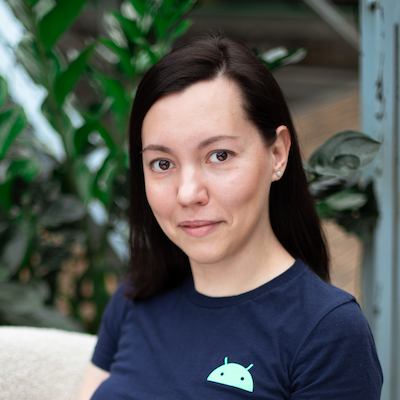
Kristina Simakova
Engineering Manager @ Google
Kristina is an Engineering Manager at Google, where she leads the Android Media Editing team. Her team is responsible for developing Media3 Editing, providing developers with the powerful, standardized tools needed to build high-performance media experiences for billions of Android users.

Radu-Ioan Ciobanu
Professor & Researcher @ UPB
Radu-Ioan Ciobanu is a Professor and researcher at the Computer Science department of the Faculty of Automatic Control and Computers at the National University of Science and Technology POLITEHNICA Bucharest. He obtained his PhD from the same faculty in 2016. His research interests include pervasive and mobile networks, DTNs, opportunistic networks, cloud computing, federated learning, etc. His research has led to the publishing of numerous papers and articles at important scientific journals (such as Pervasive and Mobile Computing, Journal of Network and Computer Applications, Transactions on Emerging Telecommunications Technologies, Ad Hoc Networks) and conferences (IEEE GLOBECOM, ICC, IM, WoWMoM, PerCom etc.). He is involved in several national and international research projects, both as coordinator and as member. He also co-cordinates MobyLab, the Pervasive Systems Laboratory from POLITEHNICA Bucharest, and is an Associate Professor at the National College of Ireland.
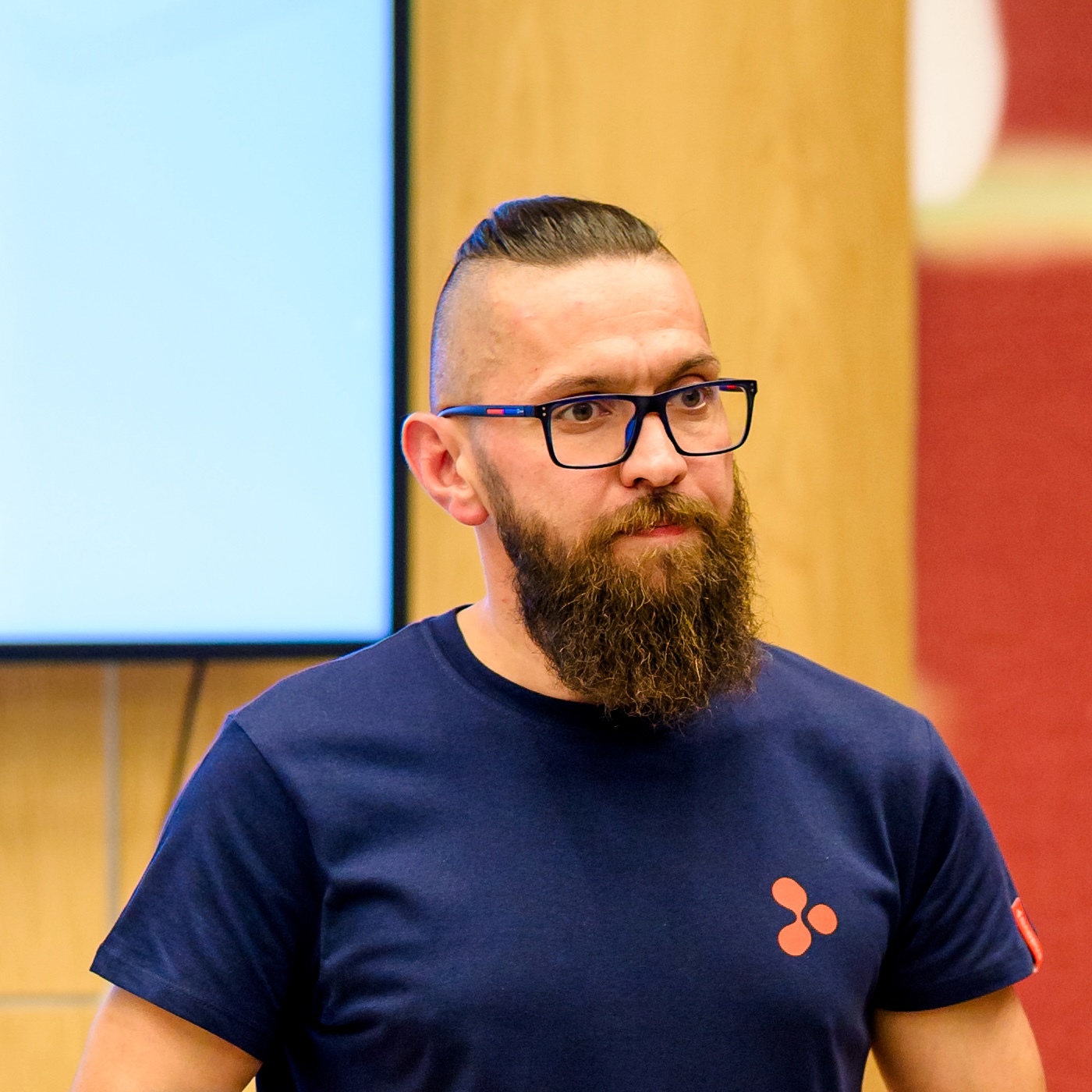
Razvan Șerban
Security Consultant @ Endava Romania
Razvan is an ethical hacker and security consultant at Endava, passionate about AI security and actively involved in multiple community projects.
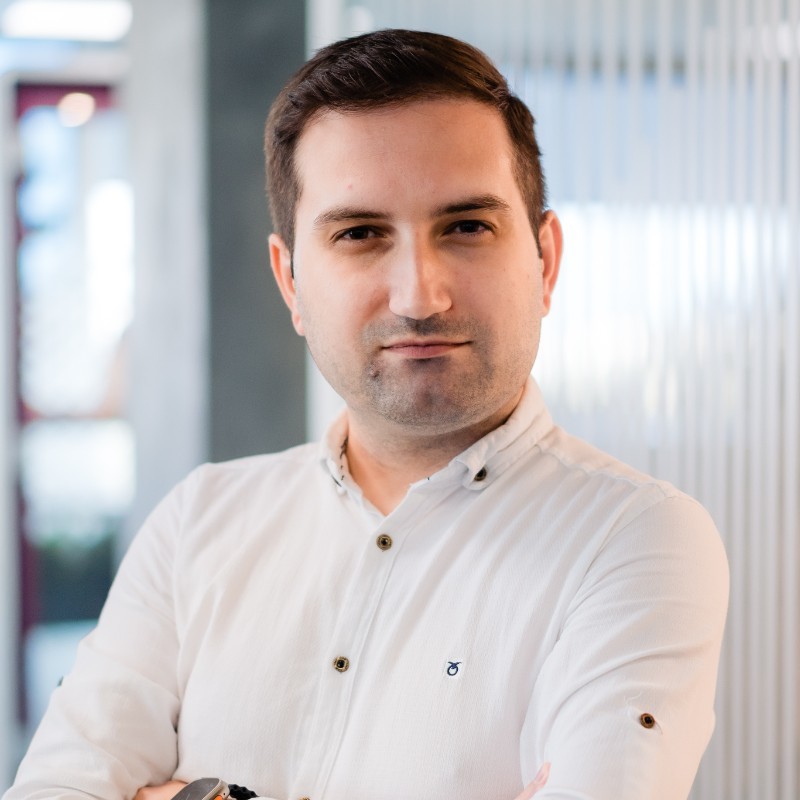
Lucian Tănase
Senior DevOps Engineer @ Endava
Lucian Tanase is a Senior DevOps Engineer based in Bucharest with over seven years of experience in cloud infrastructure, security, and automation. He currently works at Endava, where he builds and maintains Kubernetes architectures and integrates security tooling across cloud environments.
Lucian is also a speaker on blockchain and DevOps topics, and enjoys breaking down complex infrastructure concepts into something practical and useful.
Outside of work, he's usually traveling, experimenting with new tools, or diving into whatever blockchain rabbit hole caught his attention that week. And no, he doesn't have a favorite One Direction member - he's more of a terminal-and-tea kind of guy.
%20-%20Serban%20Victor%20Zirnovan.JPG)
Șerban Zirnovan
Head of Industrial Partnerships @ Cambridge
In a world that evolves by the minute, IT has become a critical enabler of progress and success. Through extensive engagement with customers and partners across industries, Serban has developed a deep passion for exploring how technology shapes our digital future—and for translating complex innovation into real-world impact that improves lives.
His career spans both public and private sectors, reinforcing a core belief: strong planning matters more than rigid plans. With 12 years in the Romanian Army, followed by experience at a system integrator and two decades at a global infrastructure provider, Serban has been immersed in the realities of complex, mission-critical projects. He is driven by understanding what organizations truly want to achieve and helping them reach those goals through thoughtful, practical solutions.

Cosmin Radu
Director Security Assurance & Engineering @ UiPath
Cosmin Radu is a Director of Product Security Engineering at UiPath, where he leads global teams across Application Security, Cloud & Infrastructure Security, and DevSecOps.
He specializes in building secure-by-design platforms that enable engineering teams to ship software quickly while meeting rigorous security and compliance standards.
With a strong background in offensive security and vulnerability research, Cosmin focuses on embedding security directly into CI/CD pipelines, cloud environments, and development workflows, transforming security from a gate into an engineering capability.
He is passionate about measurable outcomes, risk-driven vulnerability management, and AI-assisted security workflows. A frequent conference speaker and OSCP-certified professional, Cosmin is equally committed to growing high-performing security teams, fostering a strong research culture, and strengthening customer trust at scale.

Roushanak Rahmat
Lead AI Architect & GenAI Strategist @ PA Consulting
Roushanak is a dedicated lead data scientist and lecturer with a passion for leveraging technology to solve complex problems. Currently, she leads AI projects at IBM Consulting, where she inspires her team to achieve excellence through innovative Gen AI solutions.
As a seasoned data scientist with a PhD in AI, Roushanak possesses a deep understanding of machine learning, deep learning, and computer vision. Her expertise extends to medical imaging, where she has made significant contributions to improving healthcare outcomes.
Beyond her professional accomplishments, Roushanak is a dedicated educator and community advocate. She actively shares her knowledge through her popular YouTube channel and Medium blogs, engaging with a global audience and inspiring aspiring data scientists. She is a dedicated Google enthusiast, committed to leveraging Google's cutting-edge technologies to drive innovation.
With her unwavering passion for learning and dedication to making a positive impact, Roushanak is a driving force in the field of data science.

Radu Marin
Co-founder @ Timeworx.io, lecturer @ UPB
Radu Marin, COO and co-founder, is an industry-recognized expert in mobile development, with more than 14 years of experience as a software architect and as a technical community leader, having managed the career paths of more than 80 engineers. Always with one foot in the industry and the other in academia, he is passionate about mobile computing and decentralized systems, and he graduated Summa Cum Laude from his Phd research in 2021 focused on opportunistic computing. Radu is a recipient of the prestigious ANIS2024 scholarship for introducing a novel dApp development course, and he is also a lecturer at the University POLITEHNICA of Bucharest.

Alexandru Gherghina
Co-founder @ Timeworx.io
Alexandru Gherghina, CEO and co-founder, has more than 14 years of mobile application, having managed large & globally distributed teams in Softvision (acquired by Cognizant), Viacom, Granular (acquired by DowDuPont). Passionate about AI, machine learning and Blockchain, Alex is also PhD student with a focus on fine-grained access control methodologies for Blockchain. His expertise has been recognized by Google Romania and GDG Bucharest, having been invited as a trainer and mentor in multiple educational projects carried out at the University POLITEHNICA of Bucharest (Android summer school, Android & AI Hackathon).

Horia Niculescu
Customer Engineer @ Google
Horia is a passionate data and Al enthusiast and loves to help organizations grow through the use of data. He joined Google more than four years ago, after spending 15 years helping organizations up their data game. His battle-tested expertise covers both start-ups and large corporations, with a focus on the retail, telco and banking sectors.He believes that to understand technology, one needs to use it first hand. His favorite parts of the daily routine are high-level architecture design and problem- solving while enjoying an ice-cold OJ-espresso. Yes, it's a thing. Try it!

Ștefan Rădulescu
Head of Quality Engineering & Delivery Partner @ Endava
Ștefan Rădulescu is leading the Quality Engineering department in Bucharest delivery unit and acts as a Delivery Partner for multiple engagements across the capital markets and insurance domains. With more than 13 years at Endava, he brings deep expertise in quality-led delivery and a strong track record of helping clients implement and deliver their product roadmaps to the highest standards.
Ștefan is experienced in delivering complex, high-risk programmes with significant business and reputational impact. He ensures robust project governance is in place, maintaining realistic plans, quality management, change control and risk management, alongside revenue and cost forecasting. He also oversees the appointment and management of delivery resources, controlling budgets and ensuring that all client and internal stakeholders remain aligned throughout the engagement.
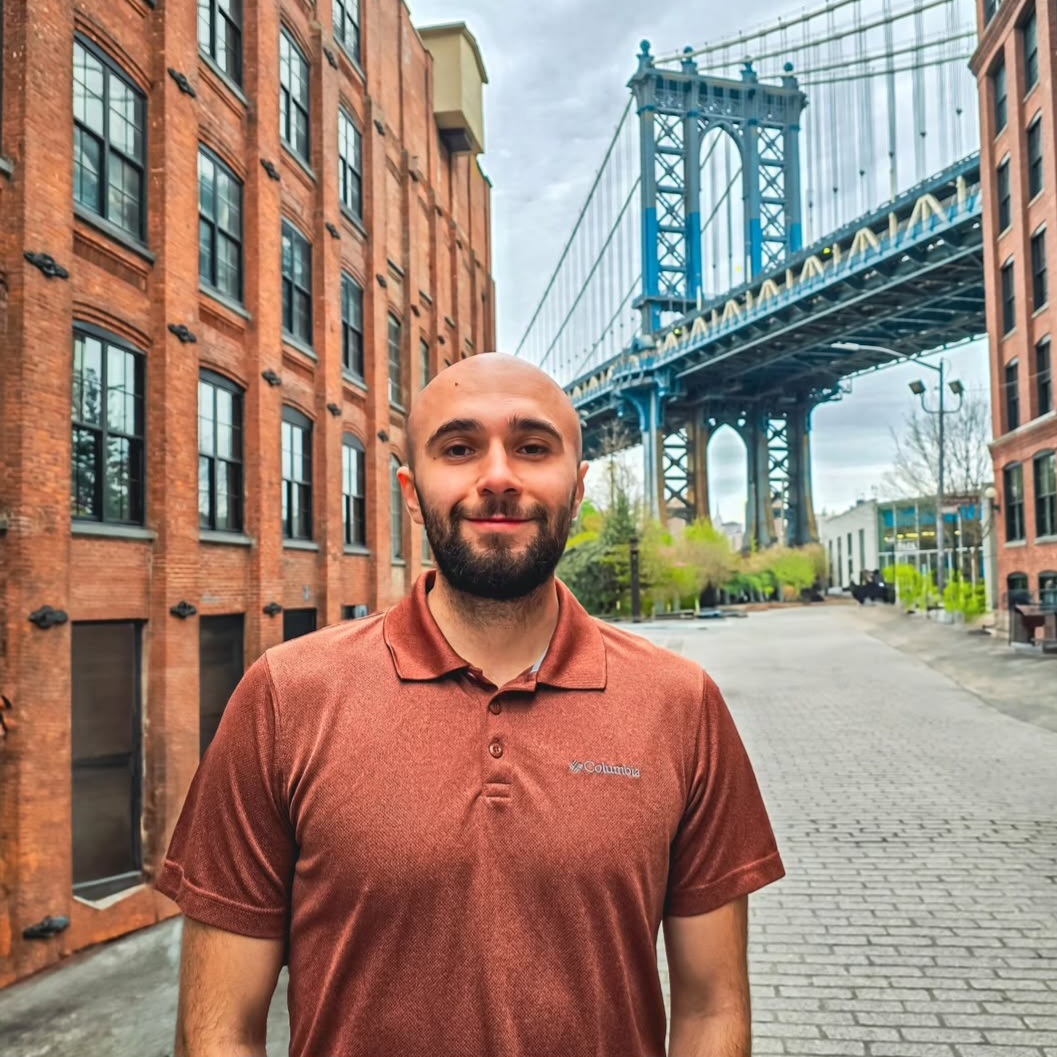
Florian Usurelu
Software Engineer @ Google
Google Software Engineer, Forbes U30, represented Romania in Bangladesh at the International Olympiad in Informatics for Students (ICPC), prepared and ran a marathon from 0 to hero in 9 months while developing a Feature for Runners at Fitbit

Alex Bordei
Architect and Tech Lead @ ICE Felix
Alex Bordei is an Architect and Tech Lead at ICE Felix, a senior-only software engineering company with 13+ years delivering custom solutions across mobile, AI automation, and scalable systems. He leads architecture decisions for production applications serving industries from healthcare to logistics, with a hands-on focus on Flutter cross-platform development and AI-accelerated engineering workflows. Alex has driven the adoption of AI-assisted code generation, automated testing, and intelligent refactoring practices that deliver 40-60% faster development cycles. He writes extensively about practical AI integration in software engineering, from CI/CD pipeline optimization to building offline-first architectures for embedded and kiosk systems.

Daniel Octavian Rizea
Software Engineering Leader @ Luffu
Daniel Octavian Rizea is a Romanian software engineering leader with more than 15 years of experience building and scaling technology products at global companies and fast-growing startups. He is currently a Software Engineering Leader at Luffu, an international startup founded by the creators of Fitbit that focuses on helping families manage their health and safety.
Previously, he served as Director of Engineering at Google, where he led engineering teams in Bucharest and Mountain View and oversaw the development of health, fitness, and wellbeing features for Google wearable devices.
Earlier, he played a key role at Vector Watch, later acquired by Fitbit, where he led development of the smartwatch platform, including its operating system, mobile applications, and backend infrastructure. Daniel is a graduate of the University Politehnica of Bucharest and is actively involved in mentoring startups and supporting the growth of engineering teams across Central and Eastern Europe.

Alexandru Gâtu
CE Regional Security Manager @ Endava
Cybersecurity Moderator
With more than 14 experience in the IT field, a master degree on Computer Security from “Politechnica” University Bucharest, Alex is the Endava Security Manager in Romania. Having hands on experience on mobile, Web and API pentesting on various industries from insurance, payments and banks, his interest is to share the practical knowledge by speaking at various international conferences and other tech events. He is also a mentor at “Digital Stack” in the past 8 years, focusing to help in the process of upskilling and reskilling on the testing area.

Cosmin Ștefan Dobrin
Managing Director @ ShortCut
AI & Cloud Moderator

Valerica Aneci
Engineering Manager @GEN. Android Craftswoman,Trainer, Speaker
Mobile Development Moderator
Bilete DevFest
Evenimentul s-a încheiat.
Biletele includ
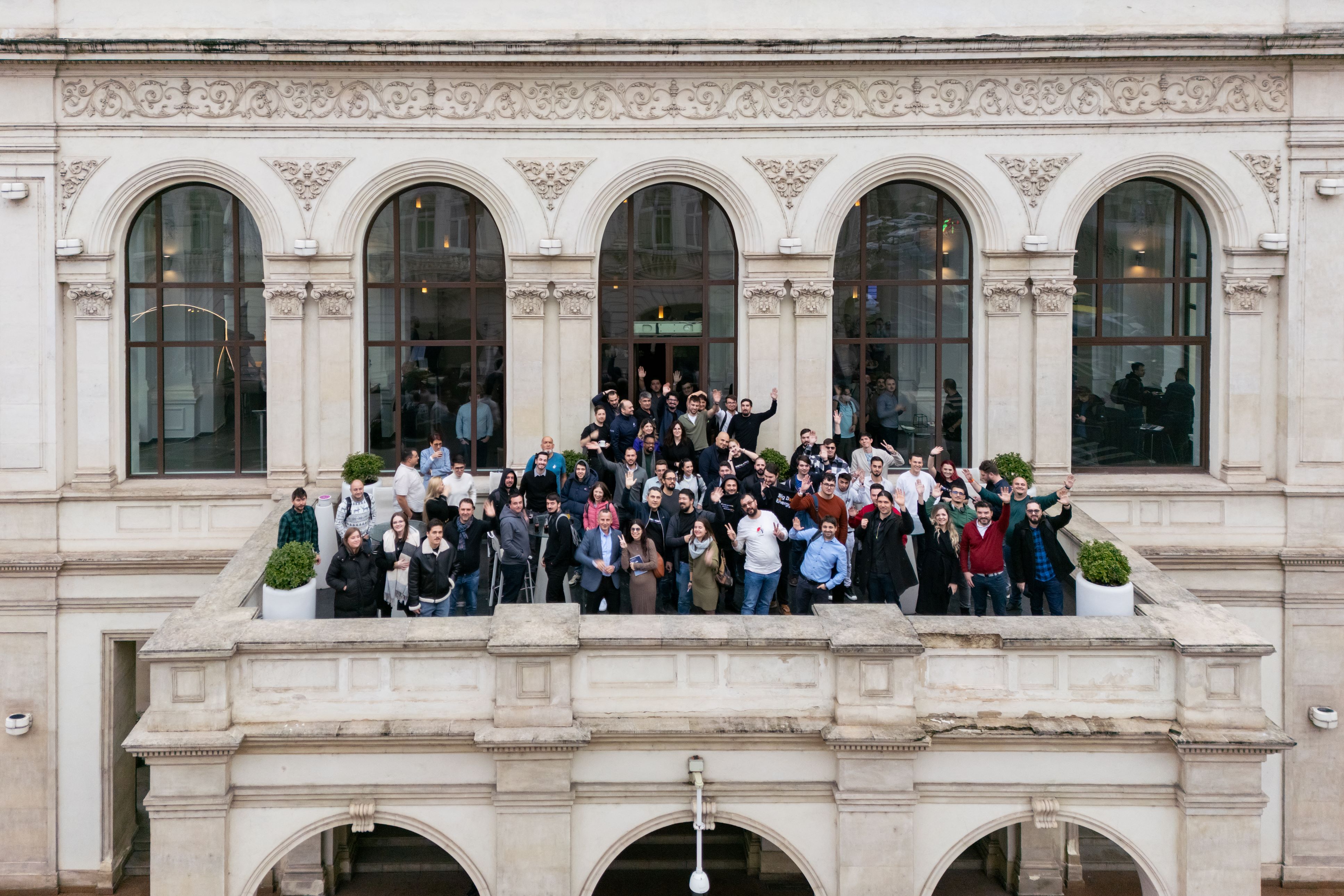
Peste 30.000 de pasionați de tehnologie din lume au participat deja la DevFest.
Alătură-te lor!
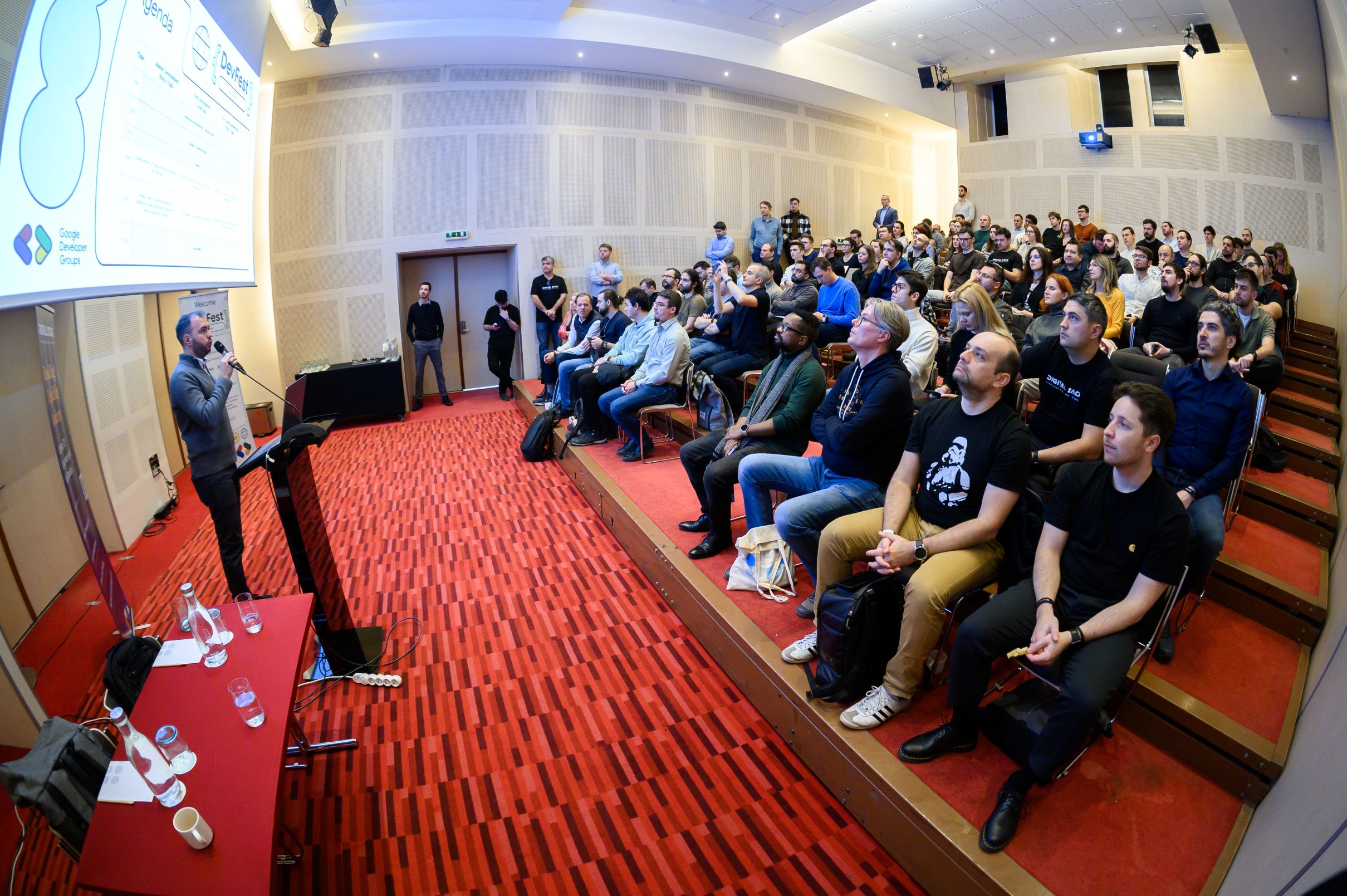
DevFest, evenimentul Google Developers Group, este o mișcare globală, din care fac parte 140 de țări și peste 500 de orașe din lume, printre care și București. A devenit locul de întâlnire a +30.000 de pasionați de tehnologie de pe glob.
Pe 5 martie 2026, ai o singură misiune:să fii acolo unde se întâlnesc AI-ul, Cloud-ul, Tehnologiile Mobile și Cybersecurity, într-o zi dedicată exclusiv viitorului tech.
La DevFest Bucharest.
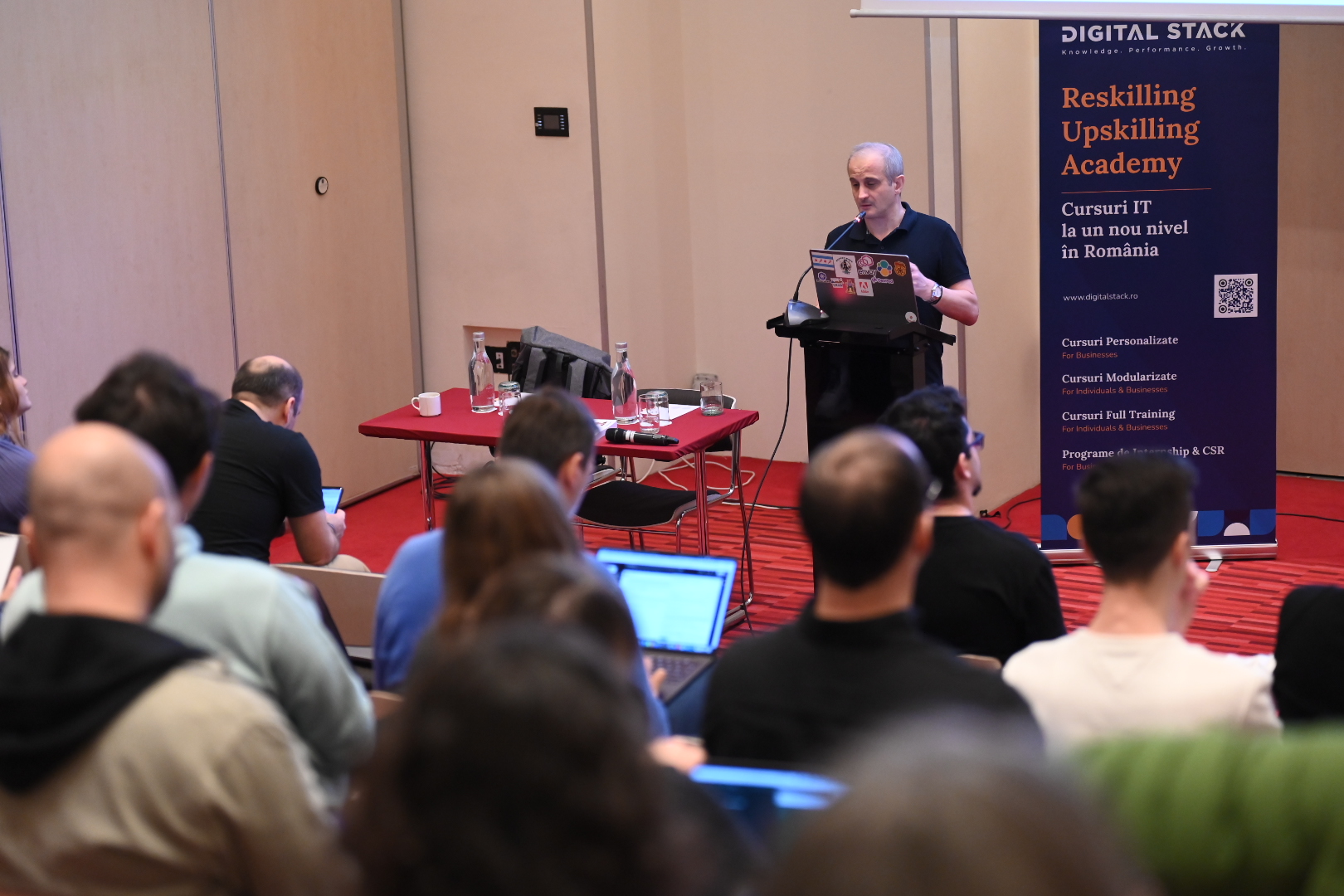
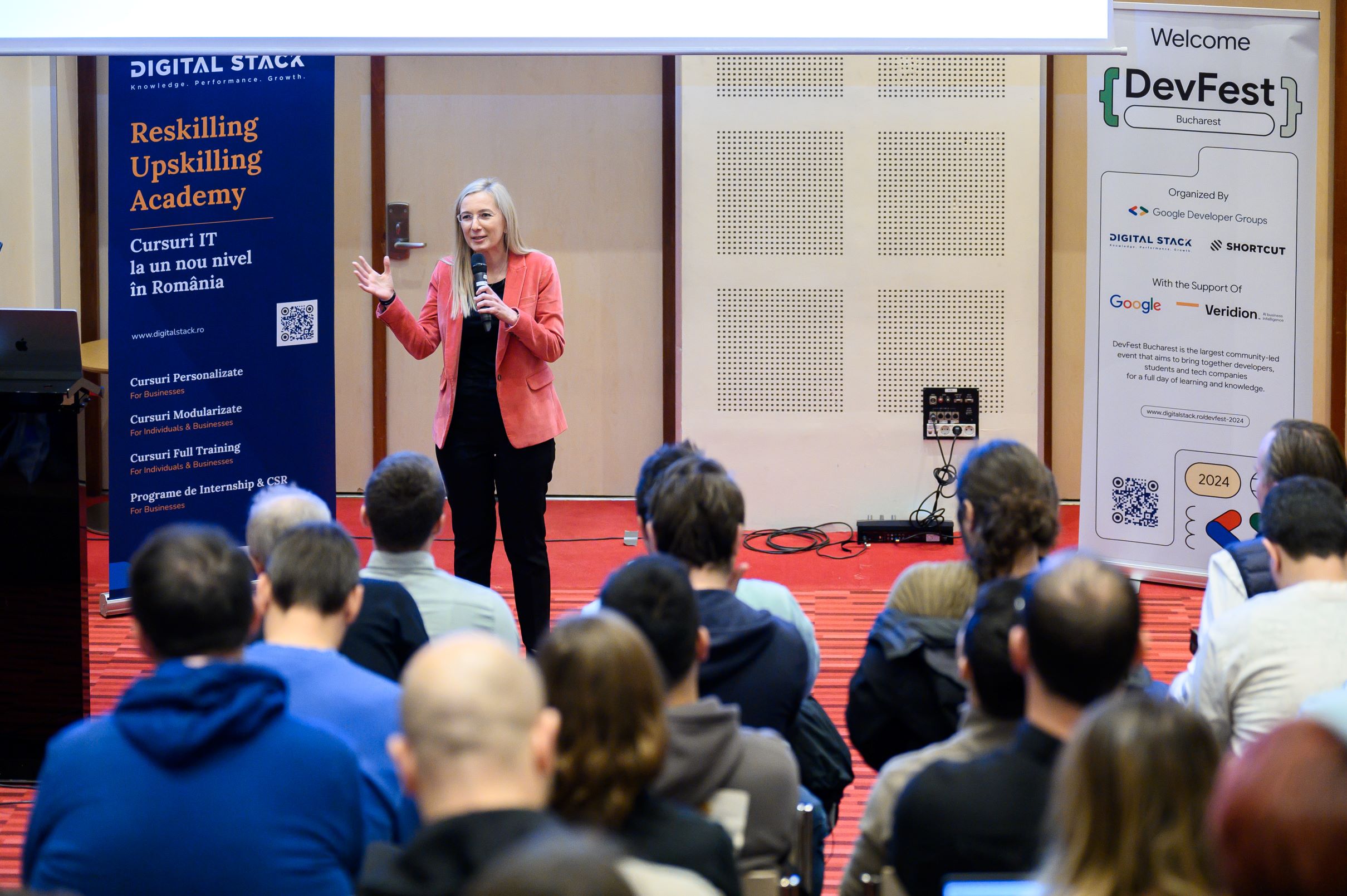
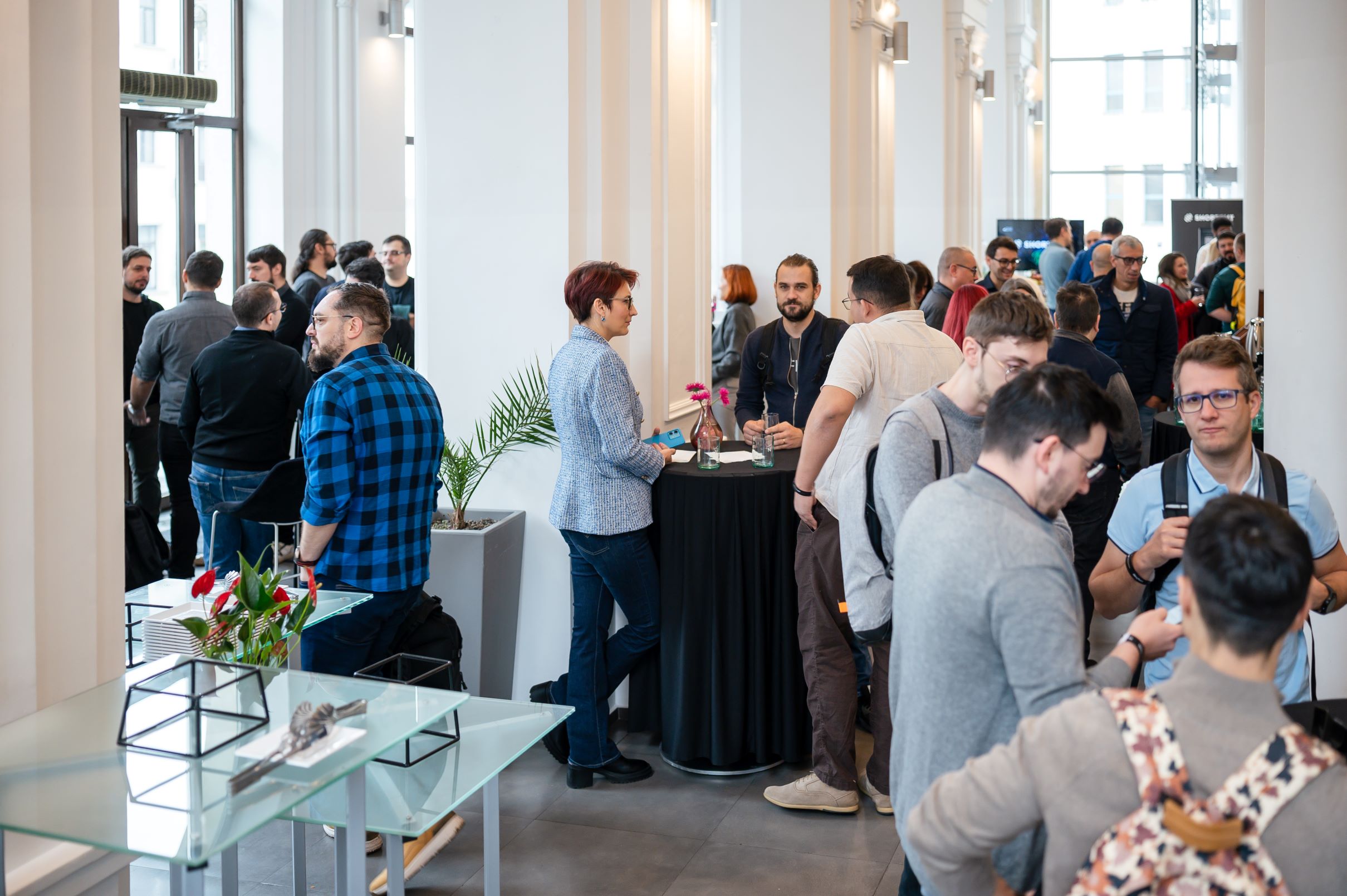
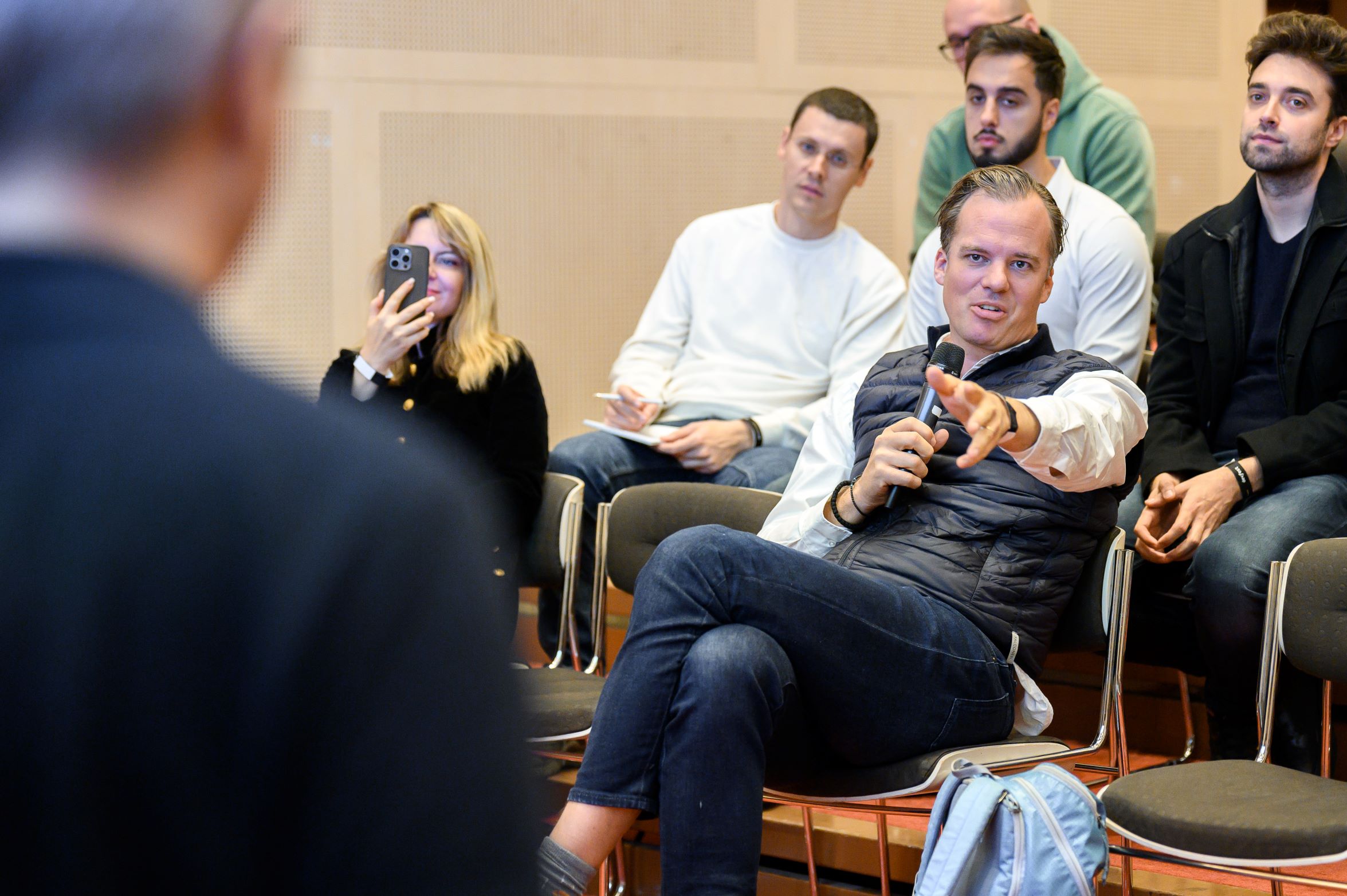
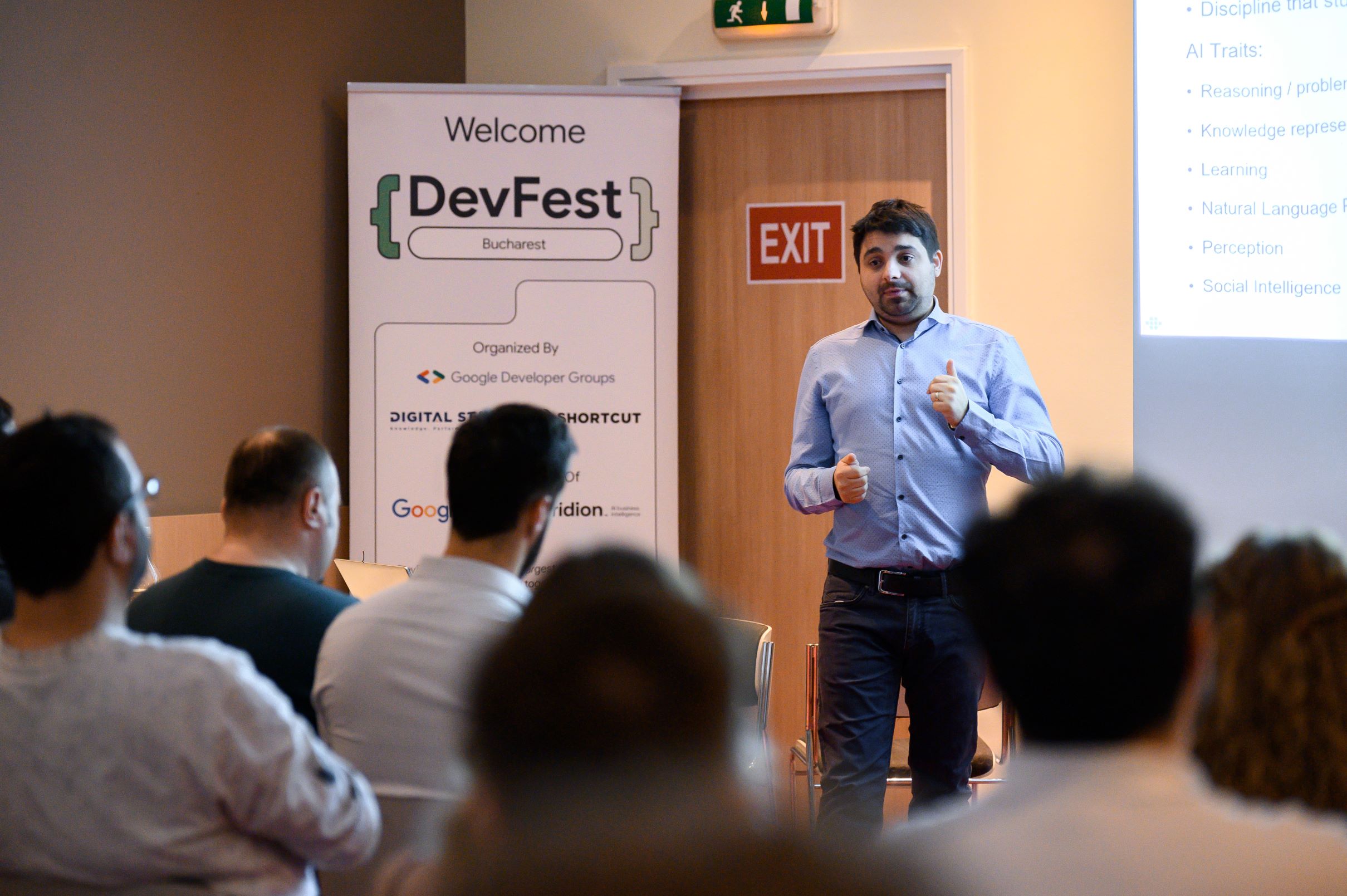
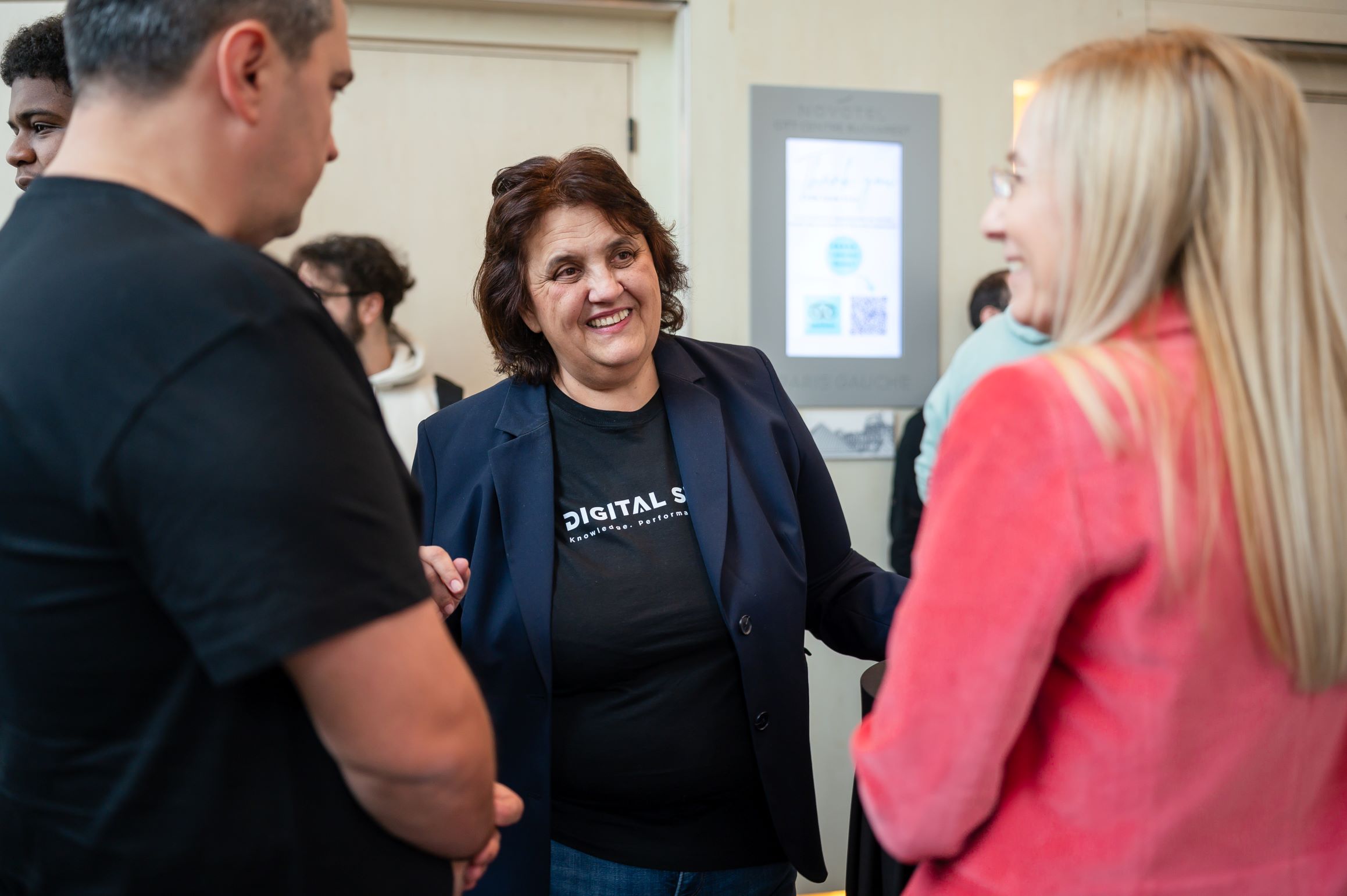
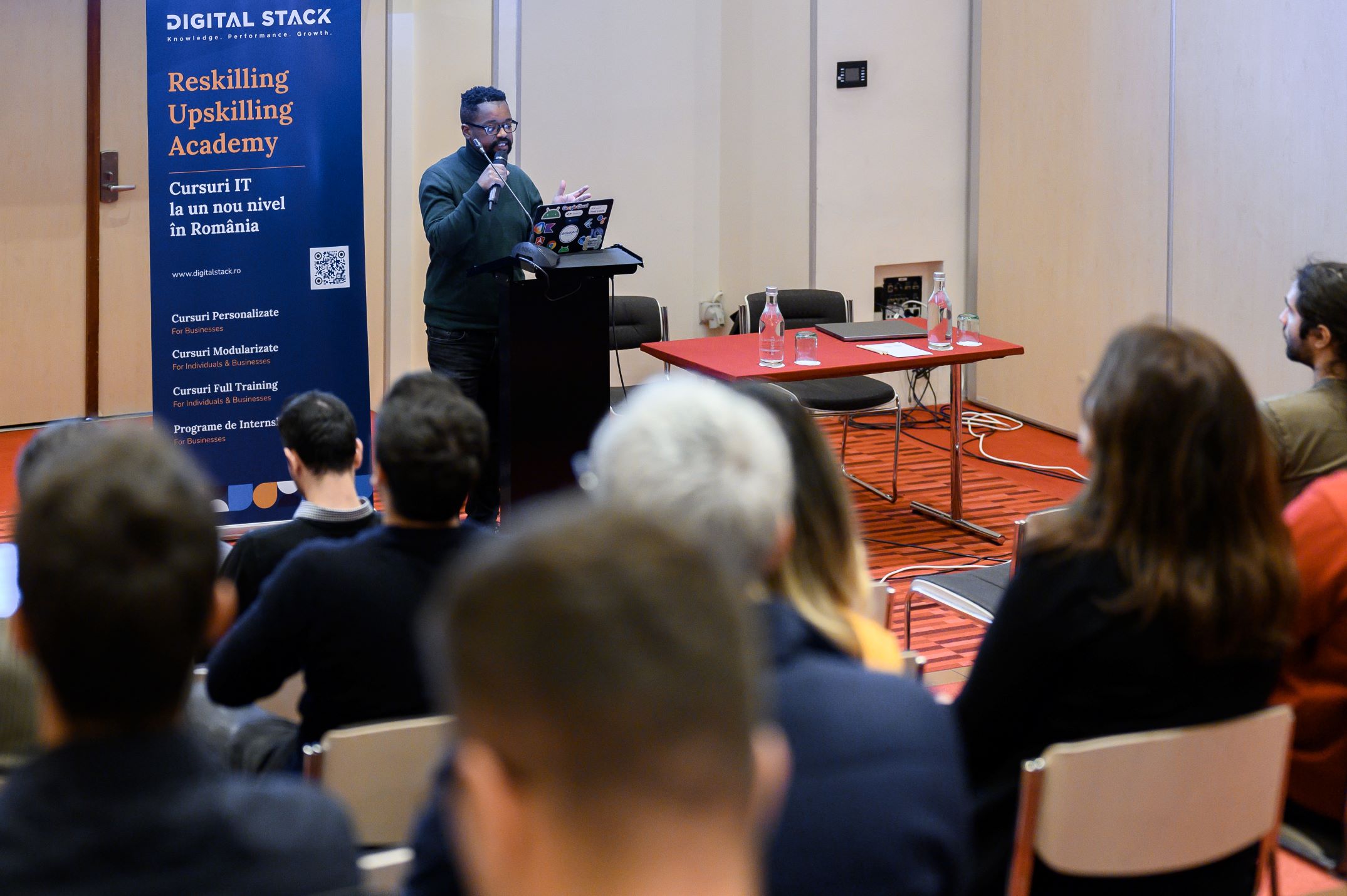
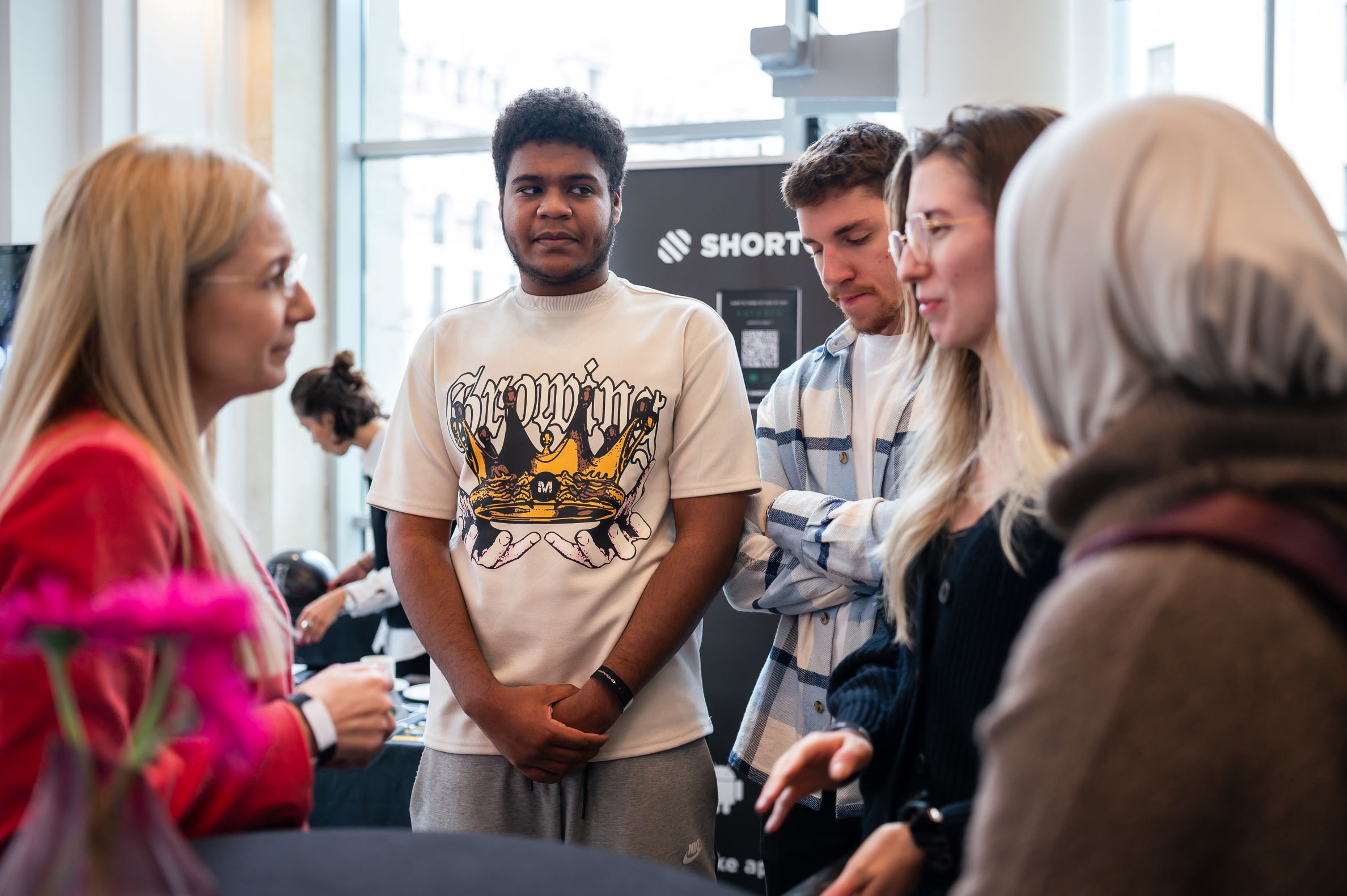
5 Martie 2026
Agenda evenimentului
Biletul îți asigură accesul la toate cele 3 track-uri: Mobile, AI & Cloud, Cybersecurity
____
15:30
9:00 - 10:00
Registration and Networking - Welcome Coffee
10:00 - 10:30
Keynote Ștefan Rădulescu - Engineering the Future
How companies like Endava are preparing for new ways of working by incorporating AI into their delivery lifecycle, while continuing to invest in human capital.
As artificial intelligence reshapes the software engineering landscape, organisations face a dual challenge: accelerating delivery through AI-driven capabilities while preserving and growing the human expertise that truly differentiates them.
In this keynote, we explore how Endava integrates AI across the entire delivery lifecycle, from discovery and architecture to development, testing and operations, leveraging AI-assisted engineering, automation and cloud-native platforms to enhance productivity and innovation.
At the same time, we discuss why sustainable transformation is not just about tools and models, but about people: building AI-ready teams, fostering continuous learning, strengthening engineering culture and ensuring responsible and secure adoption.
Because the future of technology is not AI versus humans - it’s AI empowered by humans.
10:30 - 10:45
Break
10:35 -11:20
Kristina Simakova - Vibe Effect: Build Custom Video Effects with Gemini & Media3
The Vibe Effect talk introduces a modern workflow that uses AI prompting to draft video effects in seconds. You will learn how to bridge the gap between creative vision and technical execution by using the Gemini SDK to generate shader code, then applying it to video files using Jetpack Media3 editing APIs.
11:20 - 12:05
Julien Salvi – Hidden Gems of Firebase for Android Devs
Firebase is a staple of Android development but do you know everything about Firebase and the libraries that belongs to the ecosystem?
This session will take you beyond the basics and show you the hidden gems of the Firebase ecosystem. We'll explore how to use Firebase Performance Monitoring to identify and resolve performance issues, implement robust security measures with App Check, and dynamically tailor your app's behavior with Remote Config and much more!
Learn how these powerful features can help you build faster, more secure, and more engaging Android experiences.
12:05 - 13:00
Lunch Break
13:00 - 13:45
Victor Grădinescu & Florian Usurelu - Hands-on with Agentic Workflows & Modern App Architecture
This hands-on presentation examines Modern App Architecture powered by Agentic workflows, highlighting real-world best practices applied in the creation of the new Fitbit Health Coach.
13:45 - 14:30
Radu-Ioan Ciobanu & Radu Marin – The AI Tax: Profiling and Optimizing Energy for On-Device Models
In 2026, "it has AI" is the new standard. From Gemini Nano to custom LiteRT models, we are pushing incredible intelligence to the edge. However, this power comes with a hidden cost: the "AI tax" that we all experienced. The phone heats up, the frame rate throttles, and the battery percentage freefalls. As developers, we focus out attention on inference latency and model accuracy, but we often ignore the metric that actually drives uninstalls: energy efficiency.
This session treats energy as a key point of the modern Android AI stack. We move beyond basic optimizations and dive deep into the 2026 updates to the Android Studio Power Profiler, demonstrating precisely how to isolate and visualize the power consumption of NPU inference versus CPU fallback. We will learn how to spot "energy leaks" where models keep the hardware awake longer than necessary or fail to delegate properly to the NPU.
Beyond profiling, we will look at how we can implement a "thermal-aware" architecture. Using Android's Thermal API and the Android Dynamic Performance Framework, we will learn how to build apps that dynamically regulate their own "AI metabolism". We will look at how we can detect when a device is under thermal stress and make it automatically downgrade to a lighter quantized model or defer to background inference tasks.
Whether you are building generative agents or real-time computer vision, you will leave this talk with the tools to audit your app's energy footprint and a concrete strategy to deliver powerful AI features that respect your user's battery life.
14:30 - 14:45
Coffee Break
14:45 - 15:30
Alexandru Gherghina & Radu Marin - Bridging the Gap: Building AI-Native Ecosystems with AG-UI and Compose Multiplatform
As AI moves from simple chat interfaces to complex agentic workflows, the challenge for developers shifts from ""how to prompt"" to ""how to integrate"". This session explores the architecture of modern AI applications using the Model Context Protocol (MCP) and the Agentic Development Kit (ADK).
We will dive into why the ""AG-UI"" (Agentic UI) represents the next evolution of frontend development, moving beyond static components to dynamic, tool-aware interfaces. You’ll learn how to leverage these tools to create a seamless developer experience and, more importantly, how to bring these capabilities to mobile users using Compose Multiplatform. Whether you are a backend engineer looking to expose data to LLMs or a mobile developer aiming to build the next generation of AI-native apps, this talk provides the roadmap for connecting sophisticated AI agents with a high-performance, cross-platform UI.
15:30 - 16:15
Alex Bordei - Flutter as the Go-To Platform for Mobile & Embedded in 2026: Best Practices and Architectures for Coding Flutter with AI
Flutter has cemented itself as the dominant cross-platform framework for mobile and embedded development in 2026. But building production-grade Flutter applications that scale requires more than knowing the framework — it demands solid architectural decisions, disciplined engineering practices, and smart integration of AI-powered tools into every stage of the development lifecycle.
Drawing from real-world experience delivering 50+ production applications at ICE Felix, this talk covers the architecture patterns and AI-assisted workflows that make Flutter the go-to choice for teams building across mobile, kiosk, and embedded platforms.
What you will learn:
- Clean architecture patterns for Flutter at scale — modular design, state management strategies, and dependency injection that survive production reality
- AI-assisted code generation and refactoring — practical workflows using Claude, Gemini, and code intelligence tools to accelerate Flutter development by 40-60%
- Automated testing with AI — generating comprehensive widget and integration tests, achieving high coverage without slowing down delivery
- Offline-first architectures for embedded and kiosk systems — patterns for Flutter apps that must work reliably without constant connectivity
- CI/CD pipeline optimization — automating builds, testing, and deployment for multi-platform Flutter targets
- Real metrics from production — case studies showing measurable improvements in code quality, delivery speed, and maintainability
This is not a theoretical talk. Every pattern and practice presented has been battle-tested in production applications serving healthcare, logistics, retail, and manufacturing clients. Whether you are architecting your first Flutter project or scaling an existing one, you will walk away with immediately applicable strategies for building better Flutter apps faster with AI.
16:15 - 16:30
Panel
16:30 - 17:15
Panel
Building Safe, Secure & Scalable Solutions With AI And Cloud
9:00 - 10:00
Registration and Networking - Welcome Coffee
10:00 - 10:30
Keynote Ștefan Rădulescu - Engineering the Future
How companies like Endava are preparing for new ways of working by incorporating AI into their delivery lifecycle, while continuing to invest in human capital.
As artificial intelligence reshapes the software engineering landscape, organisations face a dual challenge: accelerating delivery through AI-driven capabilities while preserving and growing the human expertise that truly differentiates them.
In this keynote, we explore how Endava integrates AI across the entire delivery lifecycle, from discovery and architecture to development, testing and operations, leveraging AI-assisted engineering, automation and cloud-native platforms to enhance productivity and innovation.
At the same time, we discuss why sustainable transformation is not just about tools and models, but about people: building AI-ready teams, fostering continuous learning, strengthening engineering culture and ensuring responsible and secure adoption.
Because the future of technology is not AI versus humans - it’s AI empowered by humans.
10:30 - 10:35
Break
10:35 - 11:20
Roushanak Rahmat - Building a Better AI: Practical Steps Towards Responsibility and Ethics
Moving beyond theoretical discussions, this talk focuses on the practical steps and frameworks necessary to build responsible AI. We will explore actionable strategies for addressing bias, promoting fairness, ensuring transparency, and ultimately prioritizing people and ethical considerations in the creation and deployment of data-driven technologies.
11:20 - 12:05
Serban Zirnovan – În spatele fiecărui AI „inteligent” stă un datacenter care transpiră
AI Isn’t Magic. It’s Infrastructure.
Behind every impressive AI demo lies a less glamorous reality: power, cooling, networking, governance, and hard architectural trade-offs. This talk draws on hands-on experience from the University of Cambridge, working at the intersection of academia, industry and government, to explore how AI infrastructure is actually being designed, built and operated today—and what must change to support the next decade of AI.
From large-scale HPC systems and national research platforms to emerging “AI factories” and sovereign AI initiatives, the talk cuts through cloud myths and vendor buzzwords to focus on what truly enables AI at scale. Attendees will learn why AI workloads are fundamentally different from traditional compute, why planning matters more than static plans, and why data centres of the future will be constrained less by silicon and more by energy, heat and operational reality.
12:05 - 13:00
Lunch Break
13:00 - 13:45
Lucian Gruia – Agentic AI Optimization: Why the Most Powerful LLM Is Not Always the Right Choice
When building agentic AI systems, teams often embed large language models deep into their workflows and default to using the most powerful model available for every task. While this can simplify early development, it frequently leads to unnecessary cost, increased latency, and limited scalability. In practice, not every decision, transformation, or reasoning step requires the same level of model capability.
Agentic systems are better understood as execution graphs composed of heterogeneous components: generative models, retrieval layers, deterministic logic, evaluation steps, and external tools. Each node in the graph has different trade-offs in terms of cost, latency, accuracy, and reliability. Designing efficient systems therefore becomes an optimization problem over execution paths, rather than a question of model choice or prompt tuning alone.
In this session, we will discuss how adaptive routing, model specialization, and conditional execution can be used to optimize agentic workflows. We will look at how lighter models can be used for routing, filtering, and validation, while more capable models are invoked selectively for complex or ambiguous tasks. Prompt engineering remains an important tool, but it is only one dimension of a broader system design space.
The talk presents design principles and patterns that help teams build agentic systems that are faster, more scalable, and easier to reason about as they grow in complexity.
13:45 - 14:30
Horia Niculescu – AI Agents and microservices: same but different but same
Are Al Agents just microservices with an LLM attached? The answer is complex. This talk moves beyond the hype to the engineering reality of building robust agentic systems. Through a live whiteboard dissection, we will explore the synodic relationship between established microservice patterns and modern agent frameworks.
We will visualize the communication layer, comparing API gateways to A2P interactions and service discovery to agent routing. The session will provide a technical deep dive into how A2A, MCP, and ADK frameworks interact to create a cohesive system. You will leave with a clear mental model of how to architect agents that possess the modularity of microservices but capable of handling the dynamic, unstructured nature of GenAl. This is for developers ready to move from "chatbots" to complex, distributed agent architectures.
14:30 - 14:45
Coffee Break
14:45 - 15:15
Marton Kodok - AI Agents with Agent Development Framework
Move beyond single LLM calls and learn how modern agent frameworks enable agents to reason, plan, use tools, and collaborate in orchestrated workflows — while staying modular, testable, and deployable.
15:15 - 15:45
Gabriel Preda - Building a multi-modal, agentic healthcare assistant with guardrails, orchestration, and validation
In this presentation I will show how I evolved a simple medical chatbot application into an agentic healthcare assistant, combining multi-modal SLM MedGemma with Gemini to process and interpret not only medical images but medical records and reports in various formats, transform medical transcripts in SOAP format, while leveraging ADK and VertexAI, implementing guardrails, orchestration and validations.
The development process is accelerated using Antigravity.
15:45 - 16:15
Lucian Tanase - The Evolution of DevOps: From CI/CD Pipelines to AI-Powered Platforms
We've spent years building CI/CD pipelines, automating infrastructure with Terraform, and pushing for everything-as-code. Most teams have solved the deployment problem. But scaling operations across multiple teams, services, and environments? That's a different challenge.
Platform engineering addresses this by turning operational knowledge into self-service tooling, golden paths, internal developer portals, and standardized workflows that reduce the back-and-forth between dev and ops.
AI is now becoming part of this stack. Not as a magic fix, but as another tool in the toolbox. Smarter alerting that cuts through noise. Automated root cause analysis during incidents. Infrastructure recommendations based on actual usage patterns.
In this session, I'll break down how DevOps practices are evolving from pipeline-centric workflows to platform-driven approaches, where AI integration makes sense today and where it's still maturing, and lessons learned from real-world implementation in cloud environments.
If you've ever spent a weekend debugging an incident that better observability could have caught, or dealt with the overhead of onboarding teams onto inconsistent infrastructure - this talk is for you.
16:15 - 16:30
Coffee Break
16:30 - 17:15
Panel
Building Safe, Secure & Scalable Solutions With AI And Cloud
9:00 - 10:00
Registration and Networking - Welcome Coffee
10:00 - 10:30
Keynote Ștefan Rădulescu - Engineering the Future
How companies like Endava are preparing for new ways of working by incorporating AI into their delivery lifecycle, while continuing to invest in human capital.
As artificial intelligence reshapes the software engineering landscape, organisations face a dual challenge: accelerating delivery through AI-driven capabilities while preserving and growing the human expertise that truly differentiates them.
In this keynote, we explore how Endava integrates AI across the entire delivery lifecycle, from discovery and architecture to development, testing and operations, leveraging AI-assisted engineering, automation and cloud-native platforms to enhance productivity and innovation.
At the same time, we discuss why sustainable transformation is not just about tools and models, but about people: building AI-ready teams, fostering continuous learning, strengthening engineering culture and ensuring responsible and secure adoption.
Because the future of technology is not AI versus humans - it’s AI empowered by humans.
10:30 - 10:45
Break
10:35 - 11:20
Cosmin Radu - How much trust can you instill in your new colleagues - Agents?
AI agents are increasingly being introduced into engineering and security workflows — from code writing, review to analysis and vulnerability triage to infrastructure changes and operational support. As their autonomy grows, so does a practical question many teams are already facing: how much trust should we place in these systems as collaborators?
This talk looks at AI agents through a security and engineering lens, focusing on trust as something that must be designed and verified, not assumed. Based on real-world experience building and operating security programs at scale, I’ll examine where agents are genuinely useful today, where they fall short, and the kinds of risks they introduce when they interact with production systems, sensitive data, or decision-making processes.
We’ll walk through some concrete examples and explain how these translate into operational and security concerns.
The session will conclude with a practical set of principles for integrating agents responsible.
With a strong background in offensive security and vulnerability research, Cosmin focuses on embedding security directly into CI/CD pipelines, cloud environments, and development workflows, transforming security from a gate into an engineering capability.
He is passionate about measurable outcomes, risk-driven vulnerability management, and AI-assisted security workflows. A frequent conference speaker and OSCP-certified professional, Cosmin is equally committed to growing high-performing security teams, fostering a strong research culture, and strengthening customer trust at scale.
11:20 - 12:05
Seifeddine Mansri – Manage AI security posture with the Secure AI Framework
In today's rapidly evolving AI landscape, ensuring the security and integrity of your AI systems is no longer optional – it's a critical imperative. But how do you move beyond theoretical discussions and implement robust, continuous security for your AI deployments?
Whether you're an AI developer, a security architect, a DevOps engineer, or simply passionate about building secure AI, this session will introduce you to he SAIF (Security AI Framework) and features a live exploration of the SAIF Map, including the new Version 2.0 for Secure Agents, helping you navigate the complex threat landscape of autonomous systems.
We will then pivot to defense, demonstrating Model Armor in action within a sample application to show how you can enhance safety without sacrificing performance. Finally, we will review the actual deliverables of an AI Security Posture Review, demystifying the audit process.
12:05 - 13:00
Lunch Break
13:00 - 13:45
Daniel Barbu - OWASP Top 10 for AI: Hardening LLMs & Agents with Enterprise Patterns
Why this matters: LLMs and AI agents are everywhere—but so are new attack surfaces. OWASP’s Top 10 for LLM Applications is the emerging standard for securing these systems. This talk translates those risks into actionable defenses, backed by real enterprise experience from Adobe’s Security AI Guild.
What you’ll learn: OWASP Top 10 for AI in practice | Prompt Injection & Indirect Injection | Sensitive Information Disclosure | Model Theft & Data Poisoning | Insecure Plugin/Tool Integration |Excessive Agency & Overprivileged Actions Enterprise guardrails: patterns from the Security AI Guild—retrieval hygiene, policy-driven tool use, safety routers, and multi-layer isolation. Threat modeling for agents: capability scoping, least privilege, and auditability.
Demo Title: From Exploit to Resilience: Guild Patterns that Mitigate OWASP Top 10 for AI
Takeaways: SherIOCk, an open source tool OWASP Top 10 cheat sheet for AI developers A printable checklist and reference threat models
Who should attend: Developers, security engineers, and tech leads building LLM features, agents, or RAG systems.
13:45 - 14:30
Goran Minov - Zero Infrastructure, Zero Phishing: Building a Serverless Security Framework on GCP
Commercial spam filters are often “black boxes”. Can a developer build a better solution with zero infrastructure?
In this intermediate-level session, I present a custom, event-driven phishing detection framework built entirely on the Google Cloud Platform. We will move beyond high-level concepts and dissect a production-ready architecture where Cloud Run Functions act as the nervous system, Pub/Sub manages the asynchronous data flow, and the Natural Language API provides the intelligence to analyse semantic intent.
This talk is backed by real-world data. I will share the results of this experiment, comparing the “easiness” of the serverless approach against the detection rates achieved. You will see exactly how to chain these services to create a scalable, private security bot that costs pennies to run but delivers impressive results.
14:30 - 14:45
Coffee Break
14:45 - 15:30
Răzvan Șerban - The AI Agent Security Checklist
AI agents are no longer passive tools. They reason, act, call APIs, and operate with increasing autonomy, often with far more trust than they deserve. Yet most agent implementations today are built without clear security rules, threat models, or enforcement boundaries.
Without revealing a checklist, this talk exposes why many AI agents would fail a basic security review, and why traditional application security assumptions break down when decision-making is delegated to a model. The focus is not on hypothetical dangers, but on structural weaknesses that repeatedly appear in production systems.
This session is for builders, security engineers, and decision-makers who want to move beyond “it works” and start asking the more important question: what happens when it doesn’t?
15:30 - 16:15
Dumitra Dragoș - Adversaries Don't Operate in Silos - Neither Should Your Detection Strategy
Adversaries Don't Operate in Silos - Neither Should Your Detection Strategy
Modern cloud savvy adversaries move fast - often achieving their objectives in less than an hour. In this session, we'll dissect real-world attack campaigns from sophisticated nation-state actors to eCrime groups to understand hoe they operate on cloud infrastructure to achieve their objectives ranging from data exfiltration and cryptomining to distructive actions taken at scale.
What makes these adversaries particularly dangerous is their understanding of the complete cloud ecosystem. Some begin their attacks through traditional entry points - compromised credentials, vulnerable public facing applications, or misconfigurations- while others exploit the software supply chain, leveraging poisoned dependencies or compromised container images. Regardless of the entry point, successful adversaries share a common trait: they move fluidly across multiple layers of the compute stack, from hypervisors to traditional systems, containers or orchestrators.
Through detailed kill chain analysis we wil examine the average execution time at each attack stage, demonstrating a critical challenge: when security teams view these attacks through isolated lenses - monitoring container separateky from VMs, or runtime separately from build time - they only see a fragment of the malicious activity. Adversaries thrive in these gaps, outpacing fragmented defenses at every turn.
Correlation at detection time is the equalizer! By weaving together signals from multiple telemetry sources security teams can reconstruct the attacks as they unfold. This holistic view collapses Mean Time To Respond (MTTR), enabling teams to intercept threats mid attack rather than discovering breaches after the damage is done.
Attendees will learn how modern adversaries weoponize cloud complexity, why detection silos guarantee failure, and how to build security strategies that operate at adversary speed.
16:15 - 16:30
Coffee Break
16:30 - 17:15
Panel
Building Safe, Secure & Scalable Solutions With AI And Cloud
DevFest Bucharest a apărut la

.png)



Un eveniment organizat de



Gold Partner

Silver Partner
.pdf.png)
Comunități Partenere







.png)


Parteneri Media
.png)

Devino Partener
Devfest Bucharest
La Devfest Bucharest ne unim forțele cu cele mai inovatoare companii din România și cele mai mari comunități pasionate de tehnologie.
Vrei să devii partener în 2026? Deja organizăm următoarea ediție!
Aplică acum și asigură-te că vei fi unul dintre partenerii ediției din 2026!

Ce trebuie să știi despre DevFest?
Dacă îți dorești expunere în cadrul celei mai mari conferințe internaționale organizată de programatori pentru programatori, într-un concept unic de eveniment, contactează-ne și hai să descoperi pachetele de promovare.
Ne vom revedea la DevFest Bucharest pe 5 martie 2026 pentru o zi plină de experiențe ce combină oportunitățile de networking cu cele de învățare. Agenda conține atât talk-uri de la experți din industrie, cât și sesiuni de networking.
DevFest se organizează în 140 de țări de pe glob și este primul eveniment din lume de acest nivel organizat de programatori pentru programatori. În București, DevFest adună în fiecare an peste 300 de pasionați de tehnologiile Google pentru o zi întreagă de networking, învățare și dezvoltare.
Pentru ediția DevFest Bucharest 2026 biletele sunt puse la vânzare prin platforma Iabilet.ro.
Citește mai mult despre DevFest
.png)
.png)
.png)


Natalie Godec
Google Developer Expert
Senior Cloud Architect